Now Deploying: Automated Parcel Sorting in Palm Springs, California
SortLease is installing an automated parcel sortation line at a last-mile delivery station in Palm Springs: a wall-side line with 50 driver-route destinations, rated up to 3,600 parcels per hour, deployed and run by SortLease as a per-parcel service.
Updated October 26, 2026 · Palm Springs, Riverside County, CA
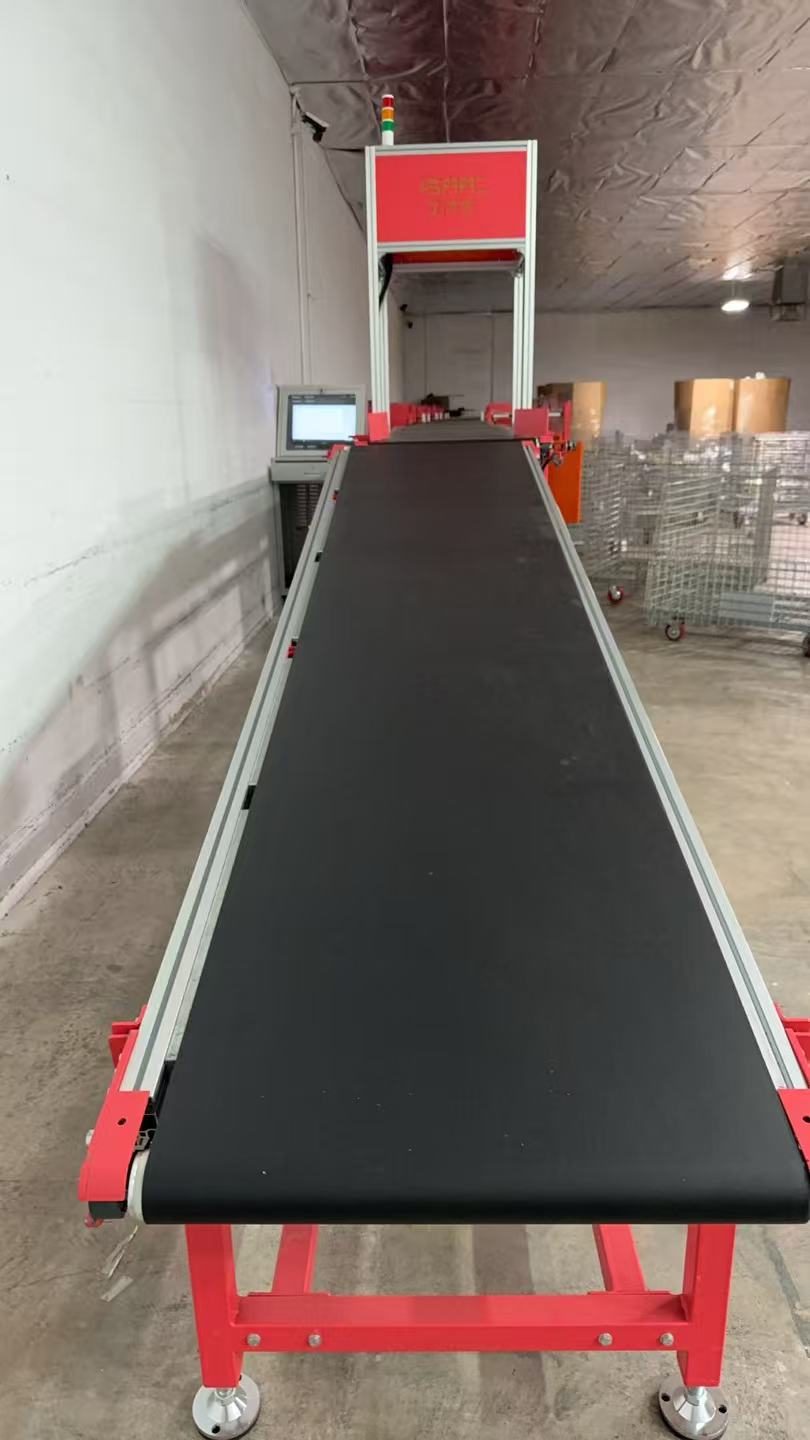
Wall-side footprint
The line runs along the wall, keeping the station floor clear for vehicles, staging and people.
Up to 3,600 parcels per hour
Rated line throughput for the station's daily volume.
50 driver destinations
50 sort chutes configured around the station's 50 driver routes, so parcels land pre-sorted by route.
Status: Installation underway
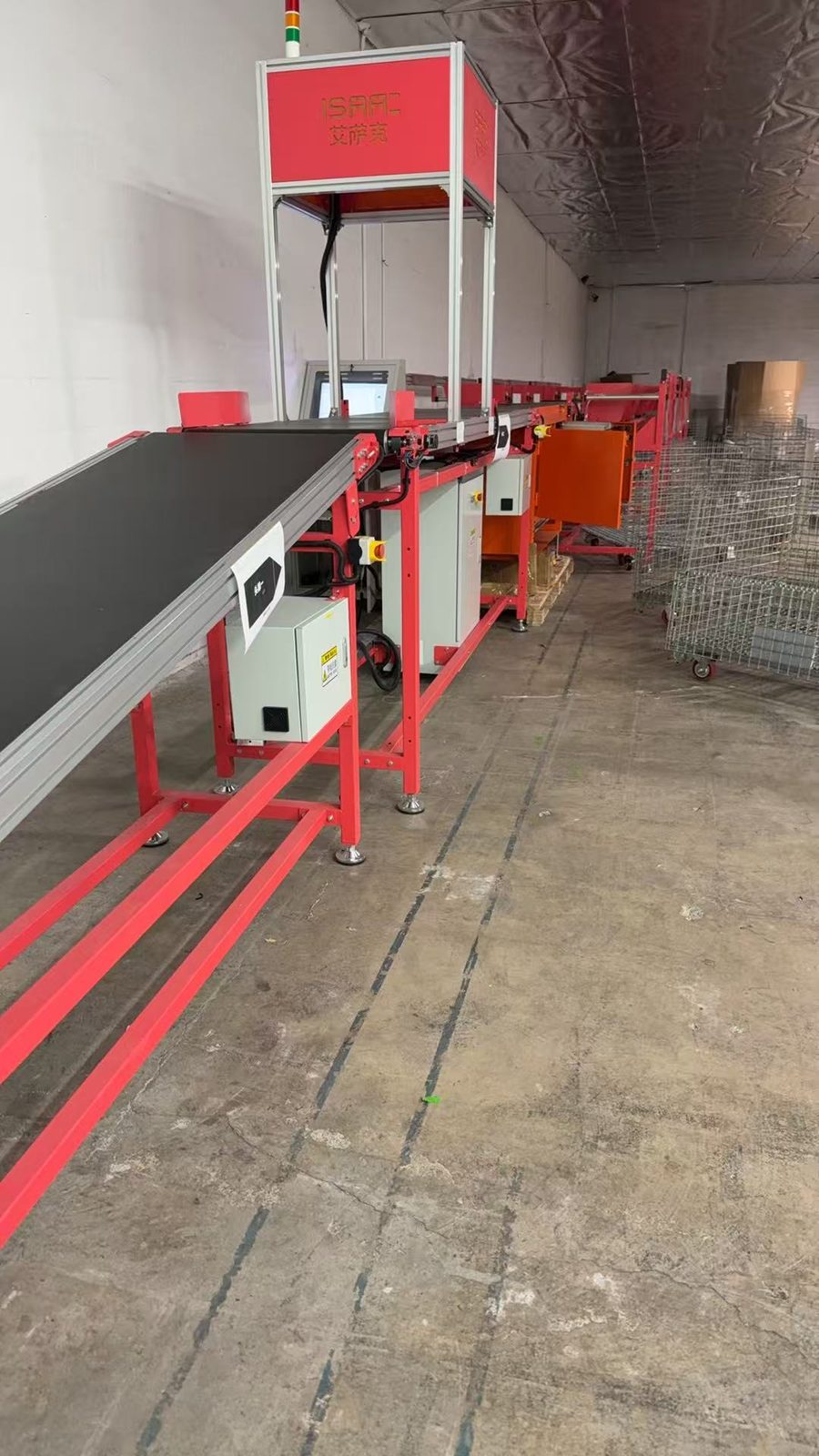
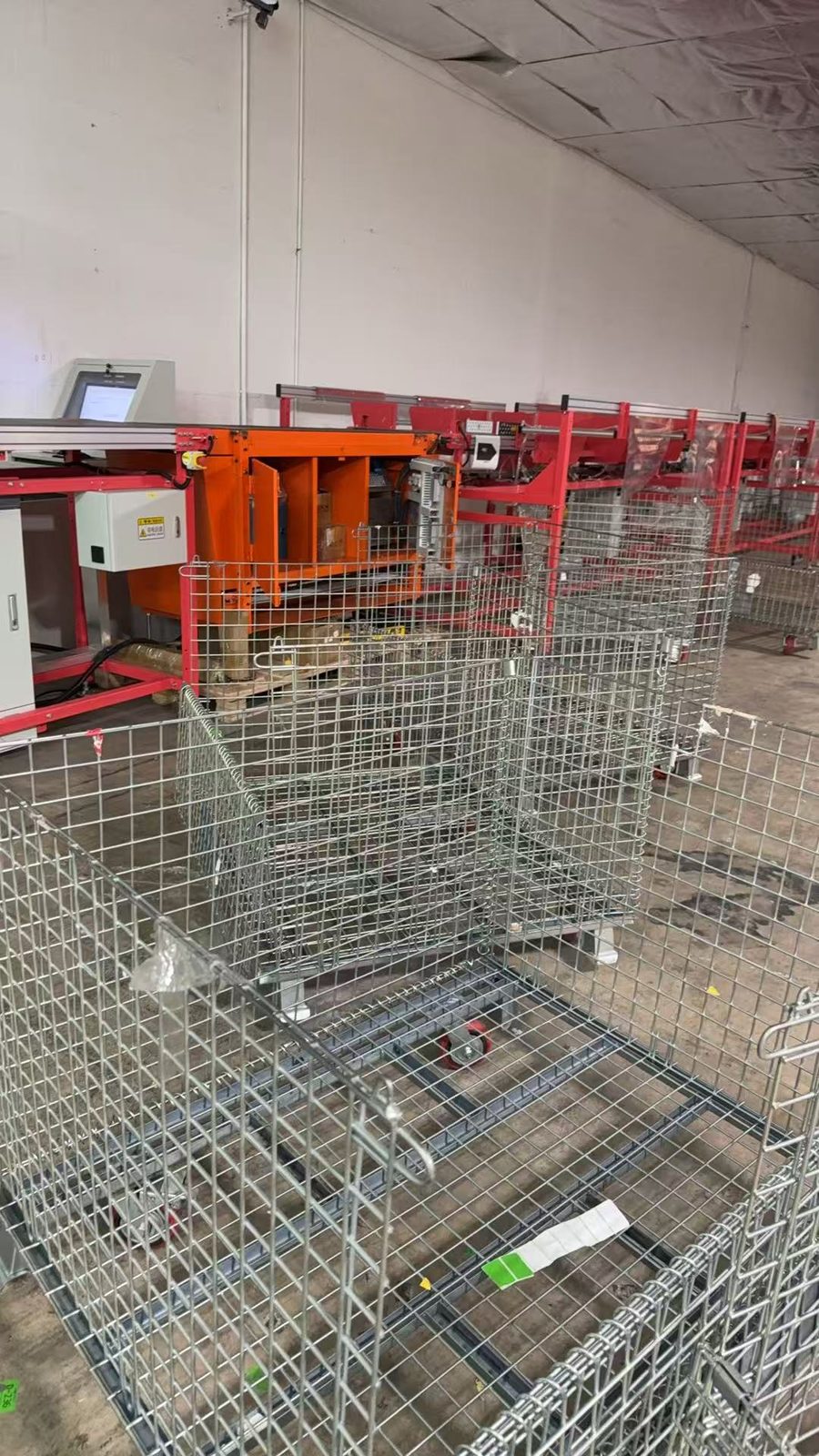
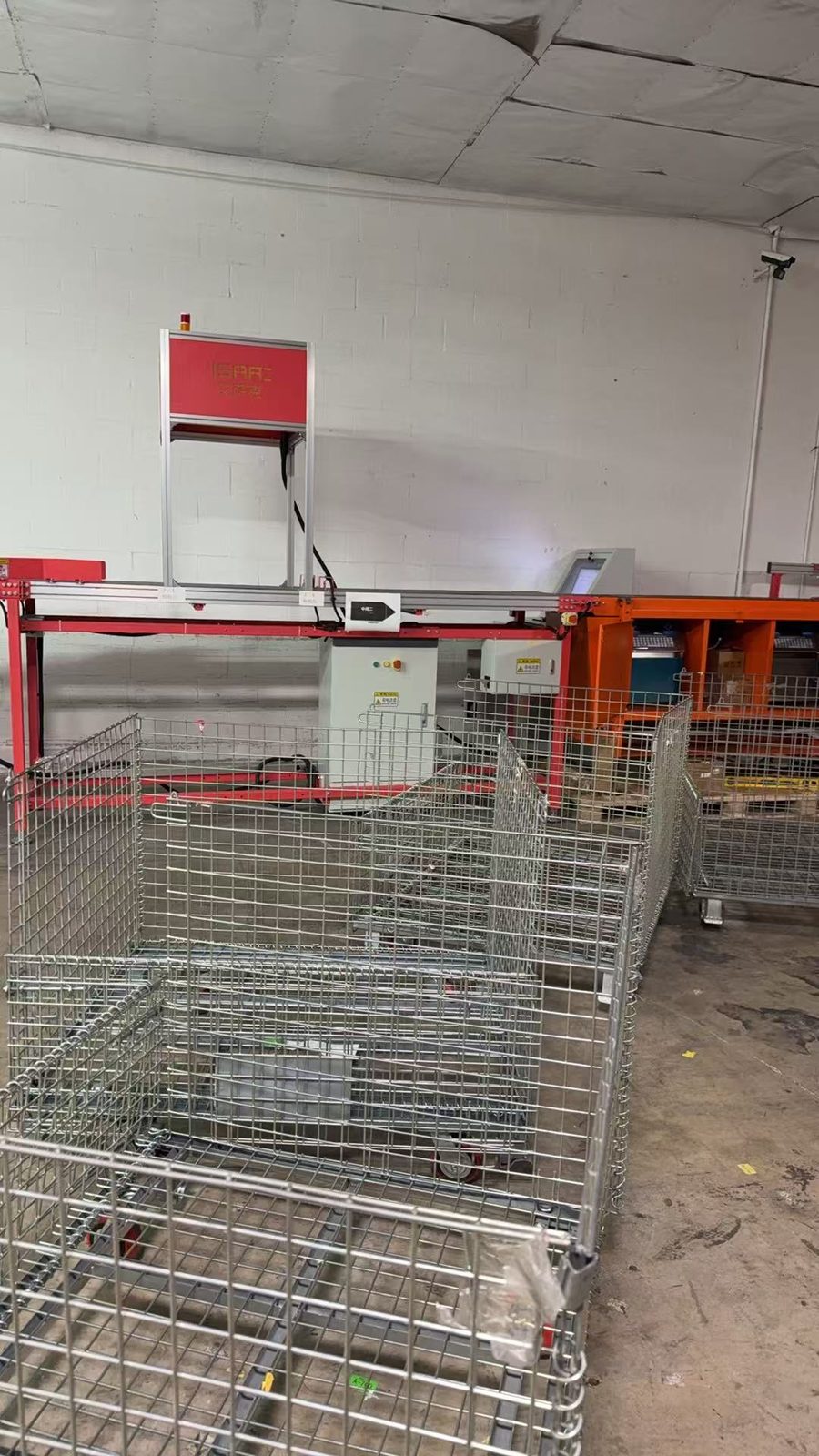
The photos on this page show the line during installation; commissioning follows.
The equipment is built by one of our qualified manufacturing partners and is deployed, integrated and maintained by SortLease under our per-parcel service model — the station gets automated sortation without buying equipment. For stations and hubs whose volume calls for a higher-throughput class, SortLease also qualifies cross-belt sorter lines as an alternative equipment option through the same pipeline.
The Palm Springs Line in Brief
| Location | Palm Springs, California (Coachella Valley, Riverside County) |
|---|---|
| Site | A last-mile delivery station. The station and its carrier are not named. |
| Layout | Wall-side line: infeed belt, scan gantry with control station, then sort modules discharging into roll cages |
| Destinations | 50, one for each of the station's 50 driver routes |
| Rated throughput | Up to 3,600 parcels per hour |
| Equipment | Built by a qualified manufacturing partner; designed, integrated, installed and maintained by SortLease |
| Commercial model | Per-parcel service; the station does not buy equipment |
| Status | Installation underway (October 2026); commissioning next |
Where the Project Stands
Line planned along the wall, with 50 destinations matched to the station's route plan.
Belt, scan gantry, control station and sort modules delivered; roll cages staged.
Assembly and setup of the line, October 2026. The photos below are from this stage.
Scanning and diverting tested with real parcels before the line takes a live sort.
Parcels pre-sorted by route before drivers arrive. Results published here once measured.
The Installation, October 2026
Watch the Deployment
Installation video (34 s) — the wall-side line at the Palm Springs, CA delivery station, October 2026.
How the Line Will Sort a Morning's Parcels
Once commissioned, the sequence is the same one every SortLease line follows. Inbound containers arrive as they do today; the sort moves off the drivers' clock.
Induct
Parcels are placed on the infeed belt, one at a time.
Scan
The scan gantry reads each label and the sort plan assigns one of the 50 route destinations.
Divert
The sort module for that route moves the parcel off the line into its roll cage.
Load & go
Each driver collects a cage already sorted to their route. Carrier-required scans stay with drivers.
What 3,600 Parcels an Hour Means for 50 Routes
Simple math at the rated speed. These are not measured results: real throughput depends on parcel mix, label quality and staffing, and we will publish measured figures after commissioning.
Want this math for your own station? Use the driver sorting cost calculator.
Palm Springs Deployment FAQ
What is SortLease installing in Palm Springs?
An automated parcel sortation line at a last-mile delivery station in Palm Springs, California. It runs along the wall, is rated at up to 3,600 parcels per hour and has 50 destinations, one for each of the station's 50 driver routes, so parcels land pre-sorted by route.
Is the Palm Springs line running yet?
Not yet. As of October 26, 2026 the line is being installed, as the photos and video on this page show. Commissioning and testing come next, and this page will be updated as the line moves into operation. No operating results have been published so far.
Who pays for the equipment?
SortLease. The line is built by one of SortLease's qualified manufacturing partners and is deployed, integrated, operated and maintained by SortLease under its per-parcel service model, so the station does not buy equipment.
Why a wall-side layout?
Running the line along the wall keeps the middle of the station floor clear for vans, staging and people, and lets roll cages for each route line up along the discharge side where drivers can collect them.
How much can the line sort in a morning?
At its rated speed of 3,600 parcels per hour, a one-hour sort is 3,600 parcels, an average of 72 per route across 50 routes, and a two-hour window is 7,200 parcels. These are rated figures, not measured results; actual throughput depends on parcel mix, label quality and staffing.
Which station or carrier is it?
SortLease does not name the station or its carrier. SortLease is an independent company, not affiliated with any carrier, and does not contact a delivery partner's carrier without permission.
Can other stations in the Coachella Valley or Southern California get the same?
Yes. Delivery partners anywhere in the US can apply for a 30-day station pilot. Where space is tight, 3–4 delivery partners can share one sorter in a shared sorting hub, each paying per parcel from $0.10.